In 2026, interview processes have become noticeably more complex across technical, management, design, and communication-based roles. Recruiters evaluate adaptability, clarity of thought, collaboration, learning ability, and communication alongside technical competence. AI tools are already assisting with screening rounds, resume filtering, coding assessments, and behavioural analysis in many companies. This shift in the recruitment process has changed the way interviews need to be prepared for.
What Your First Mock Interview Reveals
A lot of college students approach interviews backwards. Their preparation usually begins with memorising HR answers from YouTube videos or searching for the “perfect” response to questions like “tell me about yourself.” The problem is that interviewers can immediately recognise scripted answers, especially when they sound copied from the internet or generated by AI.
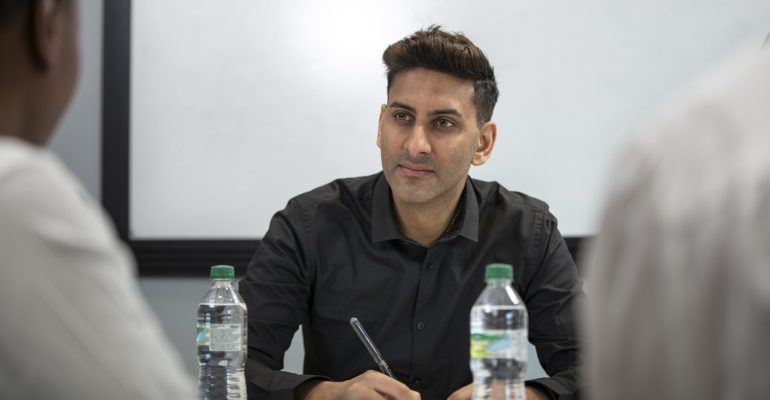
That is why mock interviews matter so much. Even inside a classroom or placement cell, the atmosphere changes once someone starts evaluating your answers in real time. Introductions that sounded perfectly fine during practice suddenly feel awkward. Projects you understood clearly the previous night become surprisingly difficult to explain out loud once follow-up questions begin.
At some point during the conversation, one thing becomes obvious: interviews are not only testing technical knowledge. They are testing how clearly you can think, communicate, and stay composed while someone is actively judging your responses.
Mock interviews help because they force you to explain your thinking properly to another person. Why did you build this? What problem were you solving? What failed during development? What would you improve now? That is usually where the difference between memorised preparation and genuine understanding becomes obvious.
Small Behavioural Habits Affect Interviews More Than Expected
Mock interviews also help address problems that usually go unnoticed during normal preparation. A lot of candidates rush through answers, skip important details, or become nervous in ways that affect communication during crucial moments.
That is why consistent interview practice matters. Over time, candidates become more comfortable handling unexpected questions, discussing ideas naturally, and thinking through problems without feeling pressured to respond instantly. Confidence improves gradually through repetition, not memorisation.
TSPDC helps build that confidence through regular mock interviews conducted with industry experts, alumni, trainers, and placement mentors who understand what current recruiters actually look for during hiring rounds. The feedback is usually far more practical than generic online interview advice because it focuses on communication, technical understanding, resume discussions, and interview behaviour seen during recruitment processes today.
These sessions also help identify preparation gaps before placement season begins. Sometimes the issue is not technical knowledge at all, but the inability to explain ideas with clarity and structure.
The Real Value of Mock Interviews
The biggest advantage of mock interviews is the feedback candidates receive. They also help build “interview stamina.” Placement processes today rarely involve a single round. Candidates move through aptitude tests, coding assessments, technical interviews, HR discussions, group activities, and multiple elimination rounds across weeks or even months. That process becomes mentally exhausting very quickly if someone is unfamiliar with constant evaluation.
Mock interviews reduce that psychological pressure gradually. Interviews start feeling more familiar, which helps candidates stay calmer and think more clearly during actual placement rounds. Rejection also becomes easier to process because the environment no longer feels completely unfamiliar or intimidating.
Another major advantage is industry exposure. Mock interviews conducted by university alumni, recruiters, technical mentors, and industry professionals give candidates a better understanding of what companies currently expect during hiring. The questions become more practical, more role-specific, and closer to real recruitment conversations than the generic preparation advice available online.
That exposure matters because hiring expectations have changed significantly in recent years. Recruiters increasingly evaluate communication, adaptability, project understanding, collaboration, and problem-solving alongside technical skills.
Confidence Matters More Than Pretending to Know Everything
Strong candidates usually do not panic when they do not know an answer immediately. They slow down, think through the problem, explain their assumptions clearly, and approach the question logically instead of pretending to know everything instantly. That approach usually leaves a far stronger impression than forcing an answer that clearly lacks understanding.
Even recording practice sessions occasionally helps. It becomes easier to notice unclear explanations, rushed communication, or answers that lose structure midway once you hear yourself speaking from an interviewer’s perspective.
Interviewers notice honesty very quickly, especially during technical rounds. A candidate who can communicate their thinking process calmly is often viewed more positively than someone trying too hard to sound perfect. Mock interviews help develop that balance because they create situations where candidates learn how to handle uncertainty without losing composure.
Ultimately, it is important to remember that some interviews will still go badly despite preparation. One difficult round does not automatically mean someone is incapable, underprepared, or “not good enough.” Interviews are imperfect conversations happening under pressure, and performance can vary for countless reasons beyond technical skill alone.
What matters more is learning how to handle that pressure without letting it completely shake confidence or clarity. Mock interviews matter because they make the process easier to navigate mentally and emotionally. Over time, the real goal becomes learning how to stay clear enough under pressure that your actual abilities remain visible instead of getting buried underneath nervousness.